

Spinal Decompression in Trussville, AL: Non-Surgical Care for Back and Neck Pain
Gentle, non-surgical traction for back pain, neck pain and disc problems in Trussville.

- Session Time:
- Short sessions in a series
- Downtime:
- Usually none
- Typical Course:
- A series of sessions
- Approach:
- Gentle, non-surgical traction


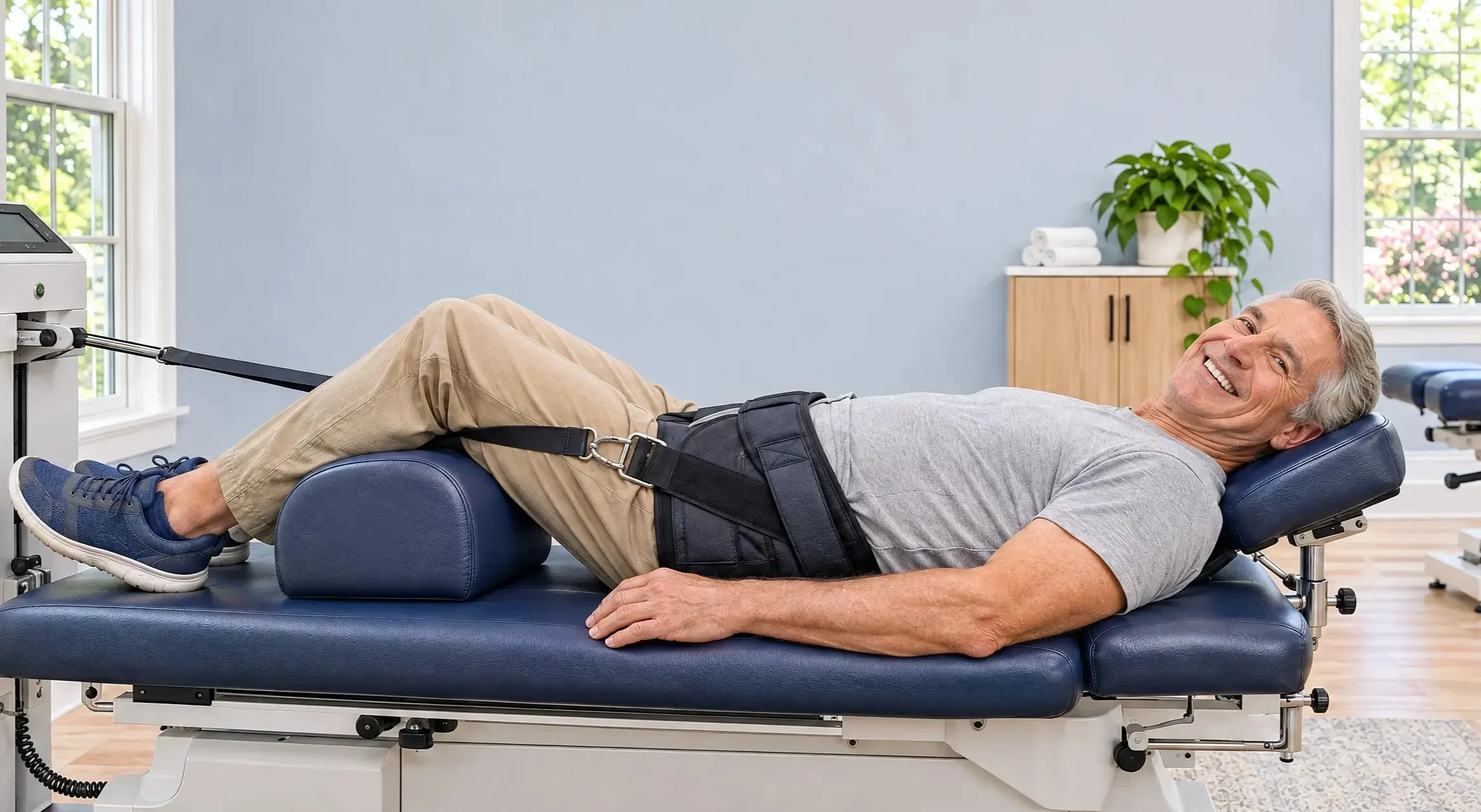
Spinal Decompression Care in Trussville
Spinal decompression in Trussville, AL is a non-surgical therapy that uses a motorized table to apply slow, controlled traction to the lower back or the neck. The gentle stretch is designed to ease pressure on spinal discs and nearby nerves, which may help people with back pain, neck pain, sciatica or a bulging disc. At Discover Chiropractic, our team pairs spinal decompression therapy with a careful exam, so every plan fits your spine and your goals. We welcome patients from Trussville, Pinson, Clay and nearby communities.
Our chiropractors start with your story and a hands-on exam, then decide whether decompression, gentle chiropractic adjustments or both make sense. Our team is led by Dr. Peter Riddle, DC, a national board-certified chiropractor who joined Discover Chiropractic in 2020.

When Disc Pressure Calls for Spinal Decompression
Spinal discs sit between the bones of your spine and work like small cushions. With age, long hours of sitting, heavy lifting or an old injury, a disc can bulge and crowd a nearby nerve. You may notice a deep ache in the low back, sciatica that travels into the leg, neck pain and stiffness when you turn your head or tingling in an arm. Driving, sleeping and lifting a child can start to feel harder.
Understanding Disc and Nerve Pressure
Spinal decompression takes a gentle, non-surgical approach. While you rest on a padded table, a motor applies slow traction in cycles of pulling and easing. This is designed to create space between the vertebrae and lower the pressure inside the disc. Many people describe a calm stretching feeling. Our team pairs sessions with movement advice and, when it fits, adjustments, so you leave with a plan for home.
What Is Spinal Decompression?
Spinal decompression is a form of mechanical traction that gently stretches the spine to unload the discs. Non surgical spinal decompression is used for back pain, neck pain and nerve symptoms linked to a bulging or herniated disc (see this herniated disk overview from Cleveland Clinic). Research on traction is mixed, so we use it in a plan.
You lie on a motorized table, typically with a harness at the hips for lumbar decompression or a cradle under the head for cervical decompression. The table pulls slowly, holds, then relaxes in cycles, which is thought to lower disc pressure. Changes build over a series of sessions.
- Session Time
- Set at your exam
- Typical Course
- A series of sessions
- First Changes
- Varies by person
- Follow-Up
- Progress checks
Spinal Decompression Treatment Areas
-
Low Back Pain
Gentle lumbar traction for ongoing aches linked to disc pressure
-
Sciatica
May ease nerve pressure that sends pain or tingling down the leg
-
Bulging Discs
Slow traction designed to lower pressure inside a bulging disc
-
Herniated Discs
A conservative option many people try before more invasive care
-
Neck Pain
Cervical traction for stiffness and aching tied to the neck discs
-
Pinched Nerves
Creates space that may lower pressure on an irritated nerve root
Benefits of Spinal Decompression
Slow, controlled traction for the neck or low back with no incisions or injections, set to your comfort and paired with exercises you can do at home.
Whole families since 1999


- 01
Non-Surgical Option
No incisions, injections or anesthesia, and you stay dressed
- 02
Gentle, Controlled Force
Traction builds slowly, and our team sets it to your comfort level
- 03
Neck and Low Back
Cervical and lumbar setups focus on the area causing your symptoms
- 04
Little Downtime
Many people return to work and daily routines right after a visit
- 05
Works With Your Plan
Fits alongside adjustments, home exercises and posture advice
Spinal Decompression vs. Alternatives
Spinal decompression is one conservative choice among several for disc-related back and neck pain.
| Treatment | Mechanism | Time | Results | Duration | Downtime | Best For |
|---|---|---|---|---|---|---|
| Spinal Decompression | Motorized spinal traction | Short sessions | Gradual, varies | Series of sessions | Usually none | Disc-related back or neck pain |
| Chiropractic Adjustments Alone | Hands-on joint movement | Short visits | Gradual, varies | Visit plan | Usually none | Stiff joints, limited motion |
| Physical Therapy | Guided exercise | Scheduled visits | Gradual, varies | Several weeks | Usually none | Strength and movement |
| Epidural Steroid Injection | Anti-inflammatory injection | Short procedure | Days to weeks | Varies, may fade | About a day | Nerve pain that persists |
| Spine Surgery | Surgical decompression | Hours | Varies | Long term for many | Weeks to months | Severe or progressive cases |

Who Is a Good Candidate for Spinal Decompression?
Spinal decompression tends to suit adults whose symptoms seem linked to disc pressure. It is often considered for long-lasting low back pain, bulging and herniated discs and a pinched nerve in the neck or back. Our chiropractors confirm fit at your exam, sometimes with on-site digital x-rays.
Ideal Candidates for Spinal Decompression
- Adults with back or neck pain tied to a bulging or worn disc
- People with leg or arm symptoms from an irritated nerve
- People who prefer a non-surgical option first
- People who can lie comfortably on a padded table
Who Should Wait or Avoid Spinal Decompression
- Pregnancy
- A recent spinal fracture or advanced osteoporosis
- Spinal tumors, infection or active cancer in the spine
- Recent spine surgery, especially with hardware
- Sudden or worsening leg or arm weakness
If you notice loss of bladder or bowel control, numbness in the groin or quickly worsening weakness, see a medical doctor right away or call 911.
What Happens During Spinal Decompression
Exam and Plan
Positioning
Traction Cycles
Aftercare
Risks and Side Effects
Decompression is generally well tolerated, though some people feel mild soreness after early sessions. Read what is common, what is less common and when to call us.
-
Common Spinal Decompression Side Effects
Spinal decompression is generally well tolerated. Some people feel mild soreness or muscle tightness after the first few sessions, and this usually settles within a day or two. Tell our team if a session feels uncomfortable.
-
Less Common Concerns
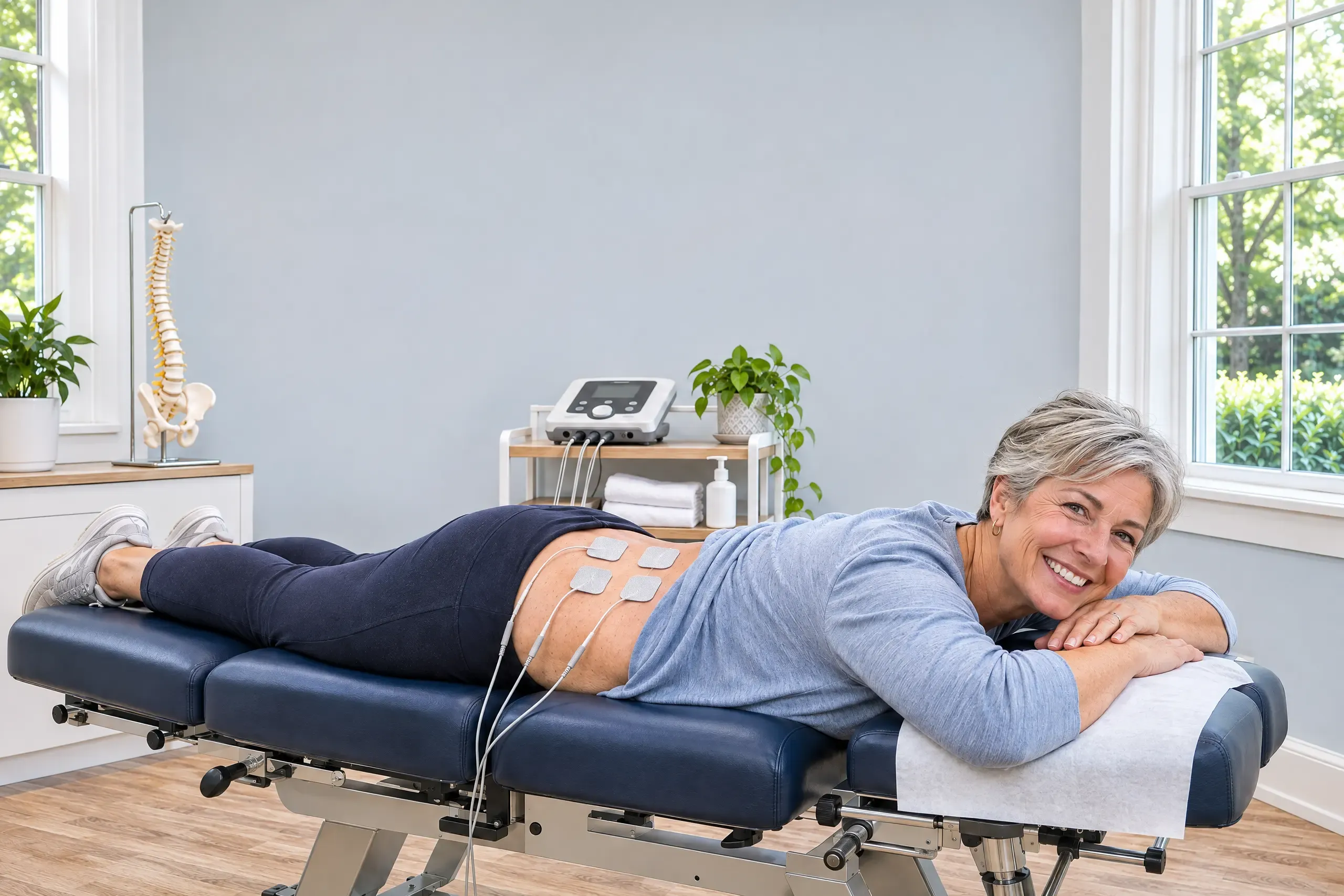
Now and then, traction can briefly increase nerve symptoms such as tingling or leg pain. If that happens, we pause and re-examine you. Because research on traction is mixed, we track your progress and talk openly about whether it is helping. Some plans add therapeutic ultrasound and e-stim.
-
When to Call Us
Call us right away if leg or arm pain, numbness or weakness gets clearly worse between sessions. Seek emergency care for new loss of bladder or bowel control or numbness in the groin area, which can signal a serious nerve problem.

Spinal Decompression Cost in Trussville
Insurance and Payment Options
Insurance and Your Benefits for Spinal Decompression in Trussville
Coverage for spinal decompression varies from plan to plan. Please call our office to verify your benefits before your first session, and our front office team will help you understand your options.
Payment Options
Cost depends on your exam findings and the number of sessions in your plan, and we review it with you before treatment starts. Discover Chiropractic accepts CareCredit, and you can ask our team about payment options. You can also explore our other non-surgical therapies and treatments.
Why Choose Discover Chiropractic
Our Trussville office recommends decompression only when your exam supports it. Two chiropractors watch your progress closely and tell you honestly how it is going.
-
Careful Exam First
A full history and hands-on exam guide whether decompression suits your back or neck, so you only start sessions when they make sense for your symptoms.
-
On-Site Imaging
When your history and exam call for it, digital x-rays are taken right in our office, which helps us review disc spacing and plan your care without delay.
-
Two Chiropractors
Dr. Peter Riddle and Dr. Blake Bearden review your plan and track your progress, so we can talk openly about whether decompression is helping you or not.
-
Honest Guidance
If a medical doctor is the better first step for your symptoms, we tell you plainly and point you in the right direction rather than starting care that may not fit.
Related Services
Decompression often fits alongside adjustments and modalities. Explore every service at our Trussville office.

Frequently Asked Questions About Spinal Decompression
Patients often ask whether decompression hurts, how many sessions they may need and if it can help sciatica. Find clear, honest answers to those questions here.
How much does spinal decompression cost?
The cost depends on your exam findings and how many sessions your plan includes, so our team reviews it with you before treatment begins. Please call our office to verify your benefits, and ask about CareCredit and other payment options.
Does spinal decompression hurt?
Spinal decompression should feel like a slow, steady stretch rather than pain, and many people find it relaxing. Some feel mild soreness after early sessions that fades within a day or two. If anything feels sharp, tell our team right away so we can change the settings.
When will I notice results from spinal decompression therapy?
Many people who respond notice small changes within the first several sessions, but timing varies widely. Research on traction is mixed, so some people notice little change. We recheck you regularly, adjust the plan if progress stalls and talk openly about next steps.
How many spinal decompression sessions will I need?
Spinal decompression is given as a series of sessions, and the number depends on your condition and how you respond. Our chiropractors do not promise a fixed count. We plan a starting series, recheck you and continue only while care is helping.
What is the difference between lumbar decompression and cervical decompression?
Lumbar decompression focuses on the low back, while cervical decompression focuses on the neck. Lumbar setups typically use a harness around the hips, and cervical setups gently cradle the head. Our team chooses the setup based on where your symptoms start.
Can spinal decompression help sciatica?
Spinal decompression may help some people with sciatica caused by a bulging or herniated disc, though studies show mixed results. Our team looks for the source of your leg symptoms first. To learn more, read how chiropractic care helps sciatica on our blog.
Who should not have spinal decompression?
Spinal decompression is not a good fit during pregnancy or for people with a recent fracture, advanced osteoporosis, spinal tumors or recent spine surgery with hardware. Our chiropractors screen for these at your exam and refer you to a medical doctor when another route is safer.
Where can I find spinal decompression near me in Trussville?
Discover Chiropractic offers spinal decompression at 6381 S Chalkville Road, Trussville, AL 35173. Our office is a short drive from Birmingham, Center Point, Clay and Pinson. Call (205) 661-6600 or complete our new patient forms to request your first visit.
References
- Wegner et al., Cochrane Database Syst Rev. (2013). Traction for low-back pain with or without sciatica. PMID: 23959683.
- Vanti et al., Phys Ther. (2021). Effectiveness of Mechanical Traction for Lumbar Radiculopathy: A Systematic Review and Meta-Analysis. PMID: 33382419.
- Romeo et al., Phys Ther. (2018). Cervical Radiculopathy: Effectiveness of Adding Traction to Physical Therapy-A Systematic Review and Meta-Analysis of Randomized Controlled Trials. PMID: 29315428.
- Demirel et al., J Back Musculoskelet Rehabil. (2017). Regression of lumbar disc herniation by physiotherapy. Does non-surgical spinal decompression therapy make a difference? Double-blind randomized controlled trial. PMID: 28505956.
- Thavarajasingam et al., Brain Spine. (2025). Exercise, manipulation and traction physiotherapy in the conservative management of lumbar disc herniation: A systematic review and meta-analysis. PMID: 41209688.
- Hours
- Mon–Fri 7:00 AM–5:30 PM
Sat 8:00 AM–12:00 PM (2nd & 4th Saturdays only) - Phone
- (205) 661-6600