




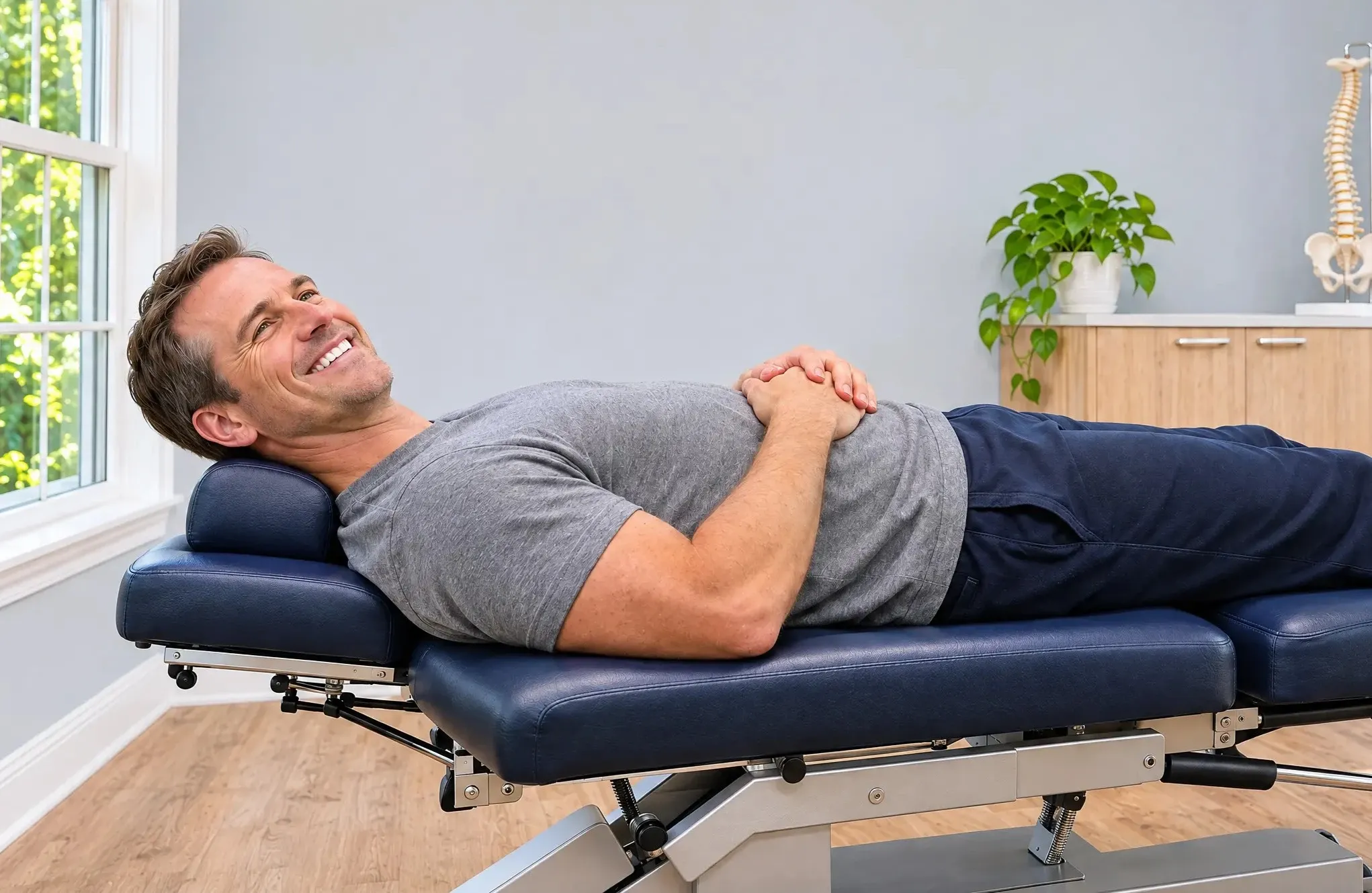

What Is Whiplash After an Auto Accident?
Whiplash is a neck sprain or strain caused by a fast back-and-forth movement of the head, like the crack of a whip. Rear-end car crashes are a leading cause, but sports collisions, falls and amusement park rides can do it too. The sudden motion can stretch or injure the muscles, ligaments, discs and joints of the neck.
Symptoms do not always show up right away. You may walk away from a fender bender feeling fine, then wake up the next morning with a stiff neck, a headache at the base of your skull or pain spreading into your shoulders and upper back. Some people also notice fatigue, dizziness or trouble concentrating.
Recognizing the Signs
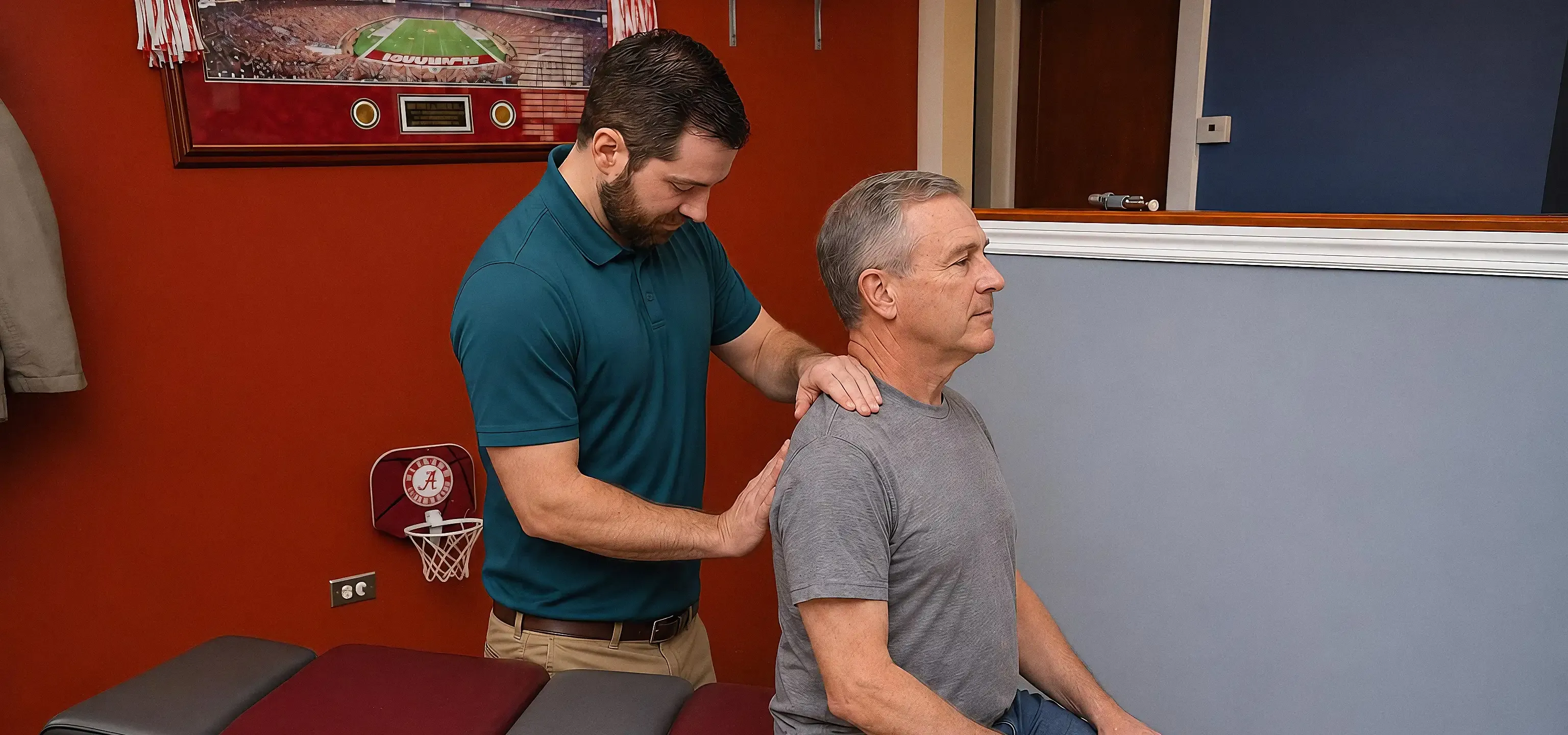
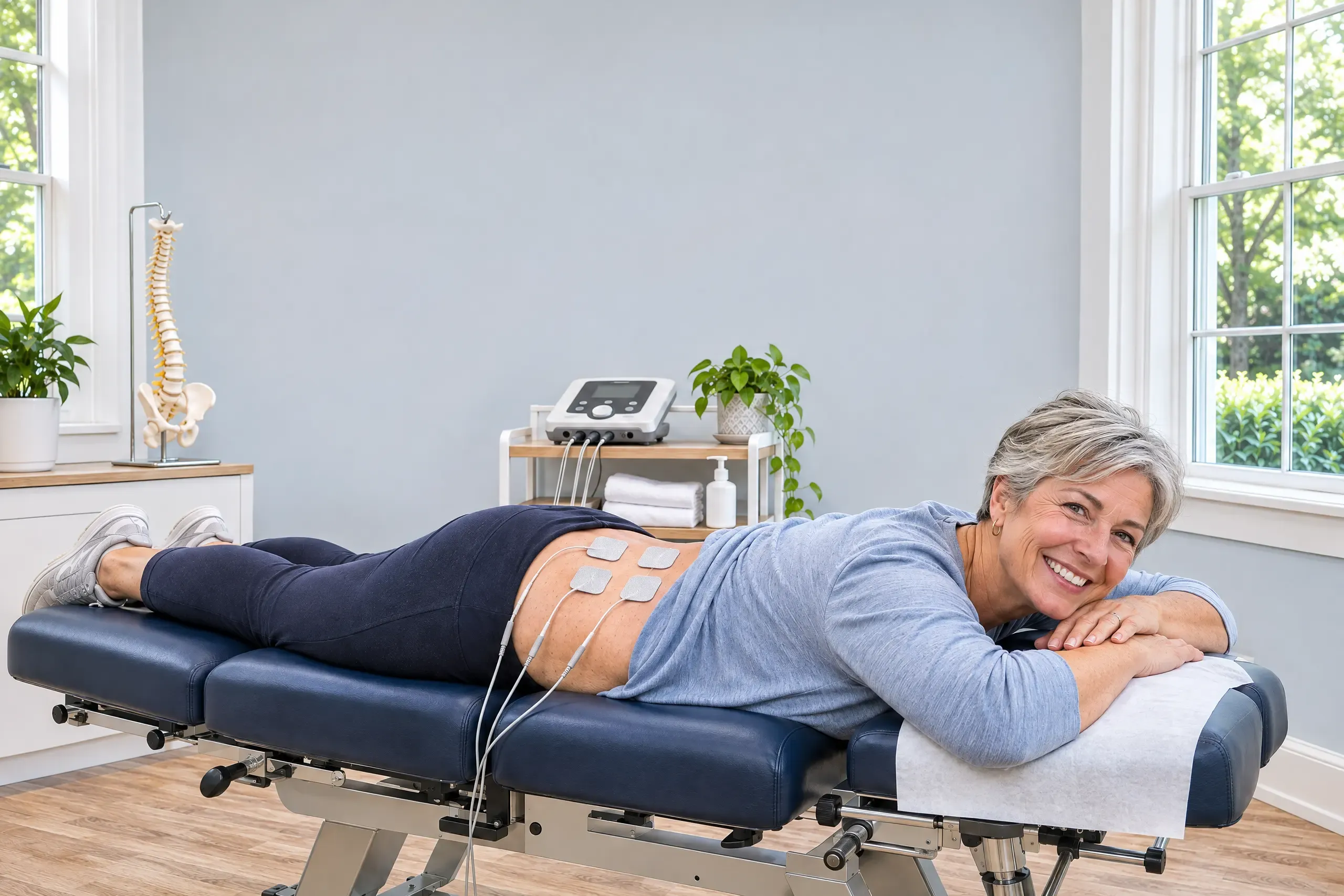
At Discover Chiropractic in Trussville, AL, whiplash treatment starts after a medical doctor or emergency room has checked you. Our chiropractors then focus on helping your neck move comfortably again with gentle chiropractic adjustments for whiplash, ultrasound and e-stim therapy when helpful, and guided exercises you can do at home.

Why Whiplash Happens
Understanding the Root Causes
In a rear-end collision, your torso moves forward with the seat while your head lags behind for a split second, then snaps forward. This S-shaped motion happens faster than your neck muscles can react, so ligaments, joint capsules and muscles absorb forces they are not built for. Even a low-speed crash can strain these tissues.
After the injury, the body responds with inflammation and protective muscle guarding. Muscles tighten to splint the neck, which limits motion and can create new sore spots in the shoulders and upper back. When stiffness lasts, small joints in the neck may stay irritated and send pain into the head, shoulder blades or arms.
Many people recover within weeks, while others have symptoms that linger for months. The whiplash overview from Cleveland Clinic describes common symptoms and recovery, and research suggests that staying gently active with guided exercise tends to support recovery better than resting the neck for long periods.
What Makes Whiplash Worse or Slower to Settle?
Identifying Your Risk Factors
Several factors can affect how hard a crash hits your neck and how long your symptoms take to settle.
-
Rear-End Impact
Being struck from behind creates the fast back-and-forth motion that most often strains the neck.
-
Head Turned at Impact
Looking to the side when the crash happens twists the neck and can strain joints and muscles on one side.
-
Low Headrest
A headrest set too low or too far back lets the head travel farther before it is stopped.
-
Earlier Neck Problems
A history of neck pain, headaches or a previous whiplash injury can make symptoms stronger after a new crash.
-
High Early Pain
Strong pain and stiffness in the first days after a crash are linked to a longer recovery in research.
-
Stress and Poor Sleep
Worry, broken sleep and staying inactive after a crash can keep muscles tense and slow your return to normal.
See a Doctor First, Then a Whiplash Evaluation
Safe Steps After a Car Accident
After any car accident, get checked by a medical doctor or the emergency room first. Call 911 right away for severe neck pain, numbness or weakness in the arms or legs, loss of consciousness, confusion, a severe or worsening headache, vision changes, trouble walking or loss of bladder or bowel control. These can be signs of a fracture, head injury or spinal cord injury.
Once serious injuries have been ruled out, your visit with our team includes a detailed history of the crash and your symptoms, a check of neck motion, posture, muscle tension, reflexes and strength, and digital x-rays when they are needed. We share what we find in plain language and coordinate with your medical doctor when that helps your care.
Our role is your health and comfort. We focus on helping you move and feel better, track your progress at each visit, and refer you to the right medical provider if your symptoms point to a concussion or another problem outside chiropractic care.
Why Choose Discover Chiropractic
Since 1999 we have helped Trussville drivers and passengers recover after a crash. Dr. Peter Riddle and Dr. Blake Bearden listen, keep every step gentle and explain your plan clearly.
-
Medical Care Comes First
We confirm that a medical doctor or the ER has checked you after the crash, and we coordinate with your doctor whenever it helps your recovery move forward.
-
Gentle Neck Care
Our chiropractors can use the Activator Method or Thompson Drop-Table when a sore neck needs a lighter touch, so care stays comfortable while you heal.
-
Movement-Based Plans
Your plan pairs in-office care with guided neck exercises, since research supports staying gently active after whiplash rather than resting for too long.
-
Clear Communication
You hear what we found, what we recommend and why, with no pressure and time for your questions, so you feel confident about each step after your accident.
Treatment Options Comparison
Compare the two options our chiropractors use for whiplash. Both work best alongside guided neck exercises.
| Treatment | Best For | How It Feels | Typical Rhythm | Research |
|---|---|---|---|---|
| Chiropractic Adjustments | Neck stiffness and joint pain | Gentle hands-on or instrument care | Visits set at your exam | Supportive within active care |
| Physical Therapy Modalities | Muscle guarding and soreness | Ultrasound or IFC, no cracking | Added to visits as needed | Limited, used as support |

Signs It May Be Time to Book a Whiplash Visit
Recognizing When to Seek Help
After a medical doctor or emergency room has ruled out serious injury, these signs suggest an exam with our chiropractors may help.
- Stiff, Sore Neck
- Skull-Base Headaches
- Shoulder and Upper Back Pain
- Trouble Sleeping
- Symptoms That Linger
Related Services
See the chiropractic care and therapies our team may use after a car accident, then browse all of our services.
Frequently Asked Questions About Whiplash and Auto Accidents
After a car accident, it helps to know what to expect. Here we answer when to come in, why symptoms can show up later, neck collars and when the ER is the right first stop.
How soon after a car accident should I see an auto accident chiropractor?
See a medical doctor or the emergency room first, ideally soon after the crash. Once serious injury is ruled out, an exam within the first days or weeks lets our team check your neck while symptoms are still developing. Early guidance can help you stay active safely and avoid resting the neck for too long.
Can whiplash symptoms show up days later?
Yes. Stiffness, headaches and shoulder pain often build over a day or two as inflammation and muscle guarding set in. That delay is common, so pay attention to how your neck feels in the days after a crash and get checked if symptoms appear or get worse.
What does whiplash treatment involve at your office?
Whiplash treatment at our office usually combines gentle adjustments or mobilization, soft tissue care and a home exercise plan. Research on passive modalities such as ultrasound and electrical stimulation is limited, so we use them only as a support to active care. We adjust the plan as your neck improves. Individual results vary.
Is there whiplash treatment near me in Trussville, AL?
Yes. Discover Chiropractic is at 6381 S Chalkville Road, Trussville, AL 35173, a short drive from Birmingham, Center Point and Springville. Call (205) 661-6600 or complete our New Patient Forms to request your first visit, and our office will help you find a time.
Should I wear a neck collar after whiplash?
For whiplash without a fracture, research generally favors staying gently active over long periods in a soft collar, which can add stiffness. Follow the advice of your medical doctor, especially in the first days, and ask our team which movements are a good fit for you.
When should I go to the ER instead of a chiropractor after a crash?
Go to the emergency room or call 911 for severe neck pain, numbness or weakness, loss of consciousness, confusion, a worsening headache, vision changes, trouble walking or loss of bladder or bowel control. These signs need emergency care before any chiropractic visit.
Scientific References
- Bussières et al., J Manipulative Physiol Ther. (2016). The Treatment of Neck Pain-Associated Disorders and Whiplash-Associated Disorders: A Clinical Practice Guideline. PMID: 27836071.
- Wong et al., Spine J. (2016). Are manual therapies, passive physical modalities, or acupuncture effective for the management of patients with whiplash-associated disorders or neck pain and associated disorders? An update of the Bone and Joint Decade Task Force on Neck Pain and Its Associated Disorders by the OPTIMa collaboration. PMID: 26707074.
- Sterling, J Physiother. (2014). Physiotherapy management of whiplash-associated disorders (WAD). PMID: 24856935.
- Muñoz et al., Am J Phys Med Rehabil. (2024). Effects of a Guided Neck-Specific Exercise Therapy on Recovery After a Whiplash: A Systematic Review and Meta-analysis. PMID: 38466196.
- Chrcanovic et al., Scand J Pain. (2022). Exercise therapy for whiplash-associated disorders: a systematic review and meta-analysis. PMID: 34561976.
- Hours
- Mon–Fri 7:00 AM–5:30 PM
Sat 8:00 AM–12:00 PM (2nd & 4th Saturdays only) - Phone
- (205) 661-6600